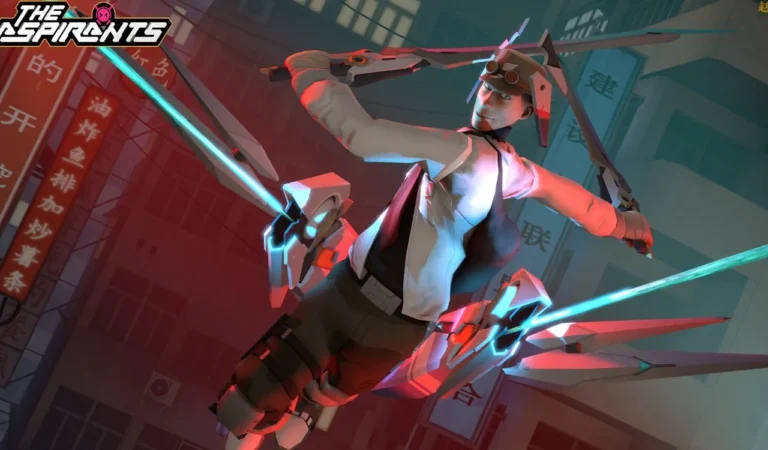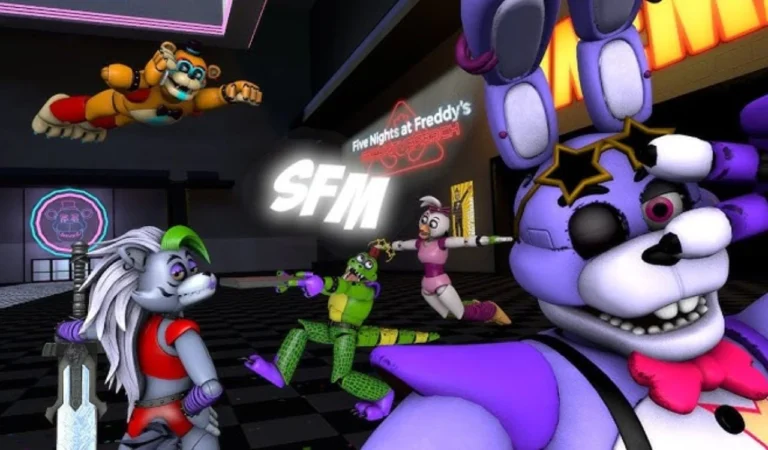
Source Filmmaker, also abbreviated as SFM, is an animation and movie-making tool (free of charge) created by Valve. It enables content creators to make cinematic videos, machinima, memes, and story-driven content with the help of the Source Engine. Since it operates within a real-time engine, artists are able to see changes immediately without having to wait a long time to render. YouTubers, animators and gaming communities around the world use it extensively.
The Source Filmmaker is similar to the traditional animation software except that it is more about directing the scenes rather than creating models. Users can create stories using existing characters, maps, and props to tell. This will reduce the learning curve and accelerate production. This leads to creators working on the story, camera and quality of animation. It is this equilibrium between power and simplicity that is so popular in SFM.

How SFM Works
The animation system is a timeline-based system that is based on keyframes and motion layers and is used in Source Filmmaker. Animators place characters in various time positions and perfect movements over time. This stratified system gives an opportunity to control the body movement, the facial expression, and the timing in detail. Simple poses can be used by beginners to gradually increase in complexity. With time, animations are smooth and more realistic.
Characters, props and maps are brought into the game as assets directly via the Source Filmmaker Steam Workshop or community websites. After loading the assets, creators put scenes together and start with animation. The inside is in control of the cameras, lights and sound. This is a single environment that makes the entire animation process more efficient. All setup as well as final render is done inside SFM.
SFM History
Valve first developed Source Filmmaker to be used internally. It was created to generate cinematic videos in such games as Team Fortress 2. The effectiveness of Valve in storytelling was demonstrated by the success of Valve animated shorts. In 2012, Valve published SFM publicly because of the increasing interest in the community. This step led to the creation of animation to a significantly expanded audience.
Source Filmmaker rapidly began to have a cult following after its release to the wider public. Whereas Valve reduced the major updates as time went by, users still enhanced the tool by adding custom content. Tutorials, workflow guides and plugins were common. SFM remained relevant over the years due to the community-based development. It is today still a reliable movie game-based animation tool.
Core Features
The motion layer system of Source Filmmaker animation is one of the strongest points. Many animation layers can be stacked on top of each other allowing the animators to control various parts of the body. This enables fine-tuning of the whole animation. Character expression and realism is also enhanced with the help of facial animation tools. These characteristics make the characters live on the screen.
Cameras and lighting instruments are also relevant in SFM. The user is able to configure numerous cameras with separate settings on each shot. Cinema is provided by depth of field, motion blur, and camera paths. The lighting controls enable designers to establish mood and concentration. All these features allow professionals to appear even to beginners.
System Requirements
The Source Filmmaker is compatible with the majority of the modern Windows operating systems, although it is highly hardware-dependent. A good processor and enough RAM are good to handle complicated scenes. Specialized graphics cards enhance the performance of the viewport and speed of rendering. In the absence of adequate hardware, users can get a lag or crash. The frustration comes as a result of understanding system requirements.
New entrants must not load heavy assets at the start up. Memories can be flooded with the use of high-poly models and complicated lighting. Draft renders can be used to do pre-testing. Progressive project complexity is one way of keeping it steady. Good management of the system results in a more fluent creative workflow.
Beginner Workflow
The SFM workflow beginner page begins with the planning of the scene. Making a basic storyboard is a step to establishing camera perspective and placement of characters. This process saves on time in animation. Assets are imported and organised once the planning is complete. An uncluttered environment facilitates the process of animation in future.
Once this has been set up, animators start posing characters on the timeline. Keyframes are inserted to regulate motion and expressions. The animation of the face and lips makes it realistic. There are sound effects and background music that increase emotional appeal. This systematic process of work will assist novices to remain in order and self-assured.

Camera Control
Visual storytelling is based on the Source Filmmaker camera control. There are several cameras that can be installed in one scene. Each camera may possess exclusive mobility, concentration and framing. The use of the cameras in alternating the shot assists in the production of dynamic shots. Camera work is good and keeps the audience at the edge of their seats.
The depth of field is frequently employed to direct the viewer. Camera movements are not sudden or distracting because of smooth camera movement. Even the basic animations would appear professional with good camera control. Being able to know some camera basics will greatly enhance the general quality of the video. It is among the most valuable SFM skills.
Lighting Setup
Lighting determines the mood and the atmosphere of a scene. The Source Filmmaker lighting set gives the creators the option of spotlights, ambient lights, and shadow. There is adequate lighting between characters and backgrounds. Bad lighting may cause a flat or confusing scene. Even lighting enhances realism and clarity.
This is particularly relevant to longer videos. The jumps in light may interrupt the immersion. Shots are shot using the same setups of lights to ensure continuity. Minor changes in lighting can make significant quality improvements. Learning lighting is a practice that gives good results.
Rendering Basics
Exporting animations into video files is known as rendering. SFM rendering settings enable the designer to select draft and final renders. Draft renders assist in testing the motion, timing and camera movement. They are quicker and less hardware intensive. This is to minimize mistakes prior to final output.
When using final videos, the high-resolution settings must be used with caution. The visual quality depends on frame rate, resolution and compression. Wrong settings may result in long render times or loss of quality. Knowing the fundamentals of rendering is time saving. The animation process is successful in case of proper rendering.
Community Resources
One of the largest factors that have made the tool popular today is the Source Filmmaker community. The resource of models, maps, animations, and tools that facilitate learning is shared by thousands of creators. Novices are able to bypass technical obstacles and get down to creativity. This support system is a community-based system that saves time and increases the learning pace.
The most widely used platform of assets is the Source Filmmaker Steam Workshop. Designers are able to subscribe to models and props and apply them immediately within SFM. There are also other resources such as SFMLab and YouTube tutorials with rigs, templates and step-by-step instructions. These resources assist the user to develop and grow at a quicker pace without the need to work independently.
Best Practices
Habits such as organizing assets are one of the best habits to practice. It is better to maintain models, textures, and sounds in separate files which enhances the speed of the workflow. Cameras and lighting templates are also time-saving. The big projects can be achieved with small organizational steps.
Another practice in Source Filmmaker is consistency. Equalized lighting, camera angles, and resolution of scenes enhance professionalism. The cooperation with other creators is another way to sharpen the skills. Peer feedback usually results in observable changes. These practices divide the amateurs and professional makers.
SFM vs Blender
The analogy between Source Filmmaker and Blender is based on the objectives of creativity. SFM is primarily aimed at movie-telling with game resources. Learning is easier and quicker on machinima and short videos. Newcomers tend to be more comfortable with SFM.
Blender, however, also includes the 3D modeling and high-end animation capabilities. It is more steep in terms of learning and wider in terms of industry application. In the case of game-based animation and memes, SFM proves to be a better option. Blender can be better in the case of full production pipelines.
Future of SFM
Although Source Filmmaker is an old tool, it is still being developed by its community. The animation quality is continuously enhanced with the help of new workflows, plugins, and optimization methods. SFM continues to be popular with many creators who want to quickly produce cinema. It is simple, which is one of its big advantages.
The changes in the future might involve AI-based animation and automated processes. There is also an increase in community partnerships. SFM will keep on being relevant as long as creators keep propping it up. The device has a good creative potential.
FAQs
Conclusion
Source Filmmaker is a strong but easy to use animation program that enables creators to create cinematic videos without having to spend money on costly software. Its live workflow, powerful camera effects and community tools make it the perfect tool to create machinima, storytelling, and creative explorations.
The creators can attain a level of professional results by following the correct workflow, preventing the most frequent errors, and getting feedback through the community. The possibilities of Source Filmmaker are limitless in creativity and development regardless of your level of experience as an animator or not.